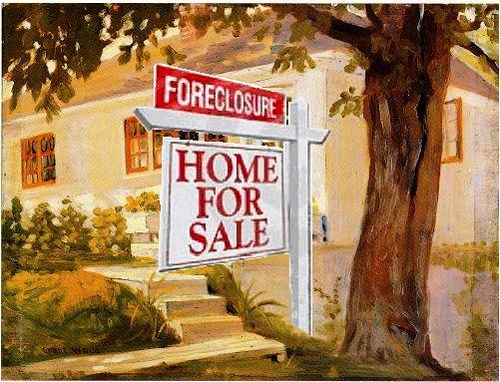
 McCLATCHY NEWSPAPERS– As
Americans continue to lose their homes in record numbers, the Federal
Reserve is considering making it much harder for homeowners to stop
foreclosures and escape predatory home loans with onerous terms.
McCLATCHY NEWSPAPERS– As
Americans continue to lose their homes in record numbers, the Federal
Reserve is considering making it much harder for homeowners to stop
foreclosures and escape predatory home loans with onerous terms.
The Fed’s proposal to amend a 42-year-old provision of the federal
Truth in Lending Act has angered labor, civil rights and consumer
advocacy groups along with a slew of foreclosure defense attorneys.
They’re
not only asking the Fed to withdraw the proposal, they also want any
future changes to the law to be handled by the new Consumer Financial
Protection Bureau, which begins its work next year.
In
a letter to the Fed’s Board of Governors, dozens of groups that oppose
the measure, including the National Consumer Law Center, the NAACP and
the Service Employees International Union, say the proposal is bad
medicine at the wrong time.
“At the depths of the worst
foreclosure crisis since the Great Depression, we are surprised that
the Fed has proposed rules that would eviscerate the primary protection
homeowners currently have to escape abusive loans and avoid
foreclosure: the extended right of rescission.”
Because the public comment period on the Fed’s proposal is still open until Dec. 23, a spokesman declined comment on the matter.
But
in a September passage in the Federal Register, the Fed said the
proposal was designed to “ensure a clearer and more equitable process
for resolving rescission claims raised in court proceedings” and
reflects what most courts already require.
Since 1968, the Truth
in Lending Act has given homeowners the right to cancel, or rescind
illegal loans for up to three years after the transaction was completed
if the buyer wasn’t provided with proper disclosures at the time of
closing.
Attorneys at AARP have used the rescission clause for
decades to protect older homeowners stuck in predatory loans with
costly terms. The provision is also helping struggling homeowners to
fight a wave of foreclosure cases in which faulty and
sometimes-fraudulent disclosures were used.
The violations must
be of a material nature to invalidate a loan under the
extended-rescission clause. To do so, homeowners — usually those facing
financial problems or foreclosure — hire an attorney to scour their
mortgage documents for possible violations regarding the actual cost of
the loan or payment terms.
If problems are found, a notice of
rescission is sent to the creditor, which can either admit to the
alleged violation or contest it in court.
Creditors that end up rescinding a loan are then required to cancel their “security interest,” or lien, on the property.
Once
that occurs, the homeowner must then pay the outstanding loan balance
back to the lender — minus the finance charges, fees and payments
already made.
Dropping the lien provides homeowners with a
defense against foreclosure and allows them to refinance to pay the
outstanding loan amount.
Critics say the proposed change by the
Fed would render the rescission clause useless. The Fed proposal would
require homeowners who seek a loan rescission through the courts, to
pay off the entire loan balance before the lender cancels the lien.
Continue reading about the Fed Wanting to Strip Key Protection for Homeowners.
Letter to Federal Reserve opposing the rescission proposal
Federal Register notice explaining its proposed changes on rescission (begins on pg. 58541)
To submit a comment to the Federal Reserve
Article by Tom Pugh of McClatchy Newspapers
Painting by Mike Licht/flickr
© 2010 McClatchy Newspapers



 THE GUARDIAN UK – The oil
giant Shell claimed it had inserted staff into all the main ministries
of the Nigerian government, giving it access to politicians’ every move
in the oil-rich Niger Delta, according to a leaked US diplomatic cable.
THE GUARDIAN UK – The oil
giant Shell claimed it had inserted staff into all the main ministries
of the Nigerian government, giving it access to politicians’ every move
in the oil-rich Niger Delta, according to a leaked US diplomatic cable. It is unfortunate that it took this long, and it is a shame that
the biggest banks in America and Mr. Bernanke fought to keep this
secret from the American public every step of the way. But, the details
on this bailout are now on the
It is unfortunate that it took this long, and it is a shame that
the biggest banks in America and Mr. Bernanke fought to keep this
secret from the American public every step of the way. But, the details
on this bailout are now on the 
 But the most recent increase in GDP
still isn’t strong enough to make a dent in the country’s high
unemployment rate, stuck at 9.6% in recent months. Analysts say GDP
growth of at least 3% is needed to bring down the jobless figure, but
many don’t expect the economy to perform that well in the fourth quarter
or early next year.
But the most recent increase in GDP
still isn’t strong enough to make a dent in the country’s high
unemployment rate, stuck at 9.6% in recent months. Analysts say GDP
growth of at least 3% is needed to bring down the jobless figure, but
many don’t expect the economy to perform that well in the fourth quarter
or early next year. At their