Israel’s occupation of the West Bank is an internationally-recognized human rights crime—but those being impacted are harshly punished for not only acts of resistance, but even mere advocacy for their rights.
Getting detailed facts about Israel’s imposition of Military Law in the West Bank, Abby Martin visits the the Ramallah offices of Addameer—the most prominent prisoners’ rights organizations in Palestine—for a shocking investigation into the use of Israeli jails and arbitrary laws as a weapon.
Chronicling this history of resistance and repression from the First Intifada through the 2015 uprising, this episode shows what brutal lengths the Israeli occupation will go to silence any and all advocacy for freedom.
Abby and Robbie Martin discuss Trump’s first week in office carrying out several executive orders that violate human rights and the environment, namely the Muslim Ban which blatantly discriminates against 130 million people around the world. They discuss the line that has been drawn in the sand, and why people need to stop carrying water for the Empire’s CEO and join the fight against fascism.
This podcast is the product of many long hours of hard work and love. If you want to encourage our voice, please consider supporting us onPatreon. Listen to all previous episodes of Media Roots Radio onsoundcloudor subscribe onitunes.
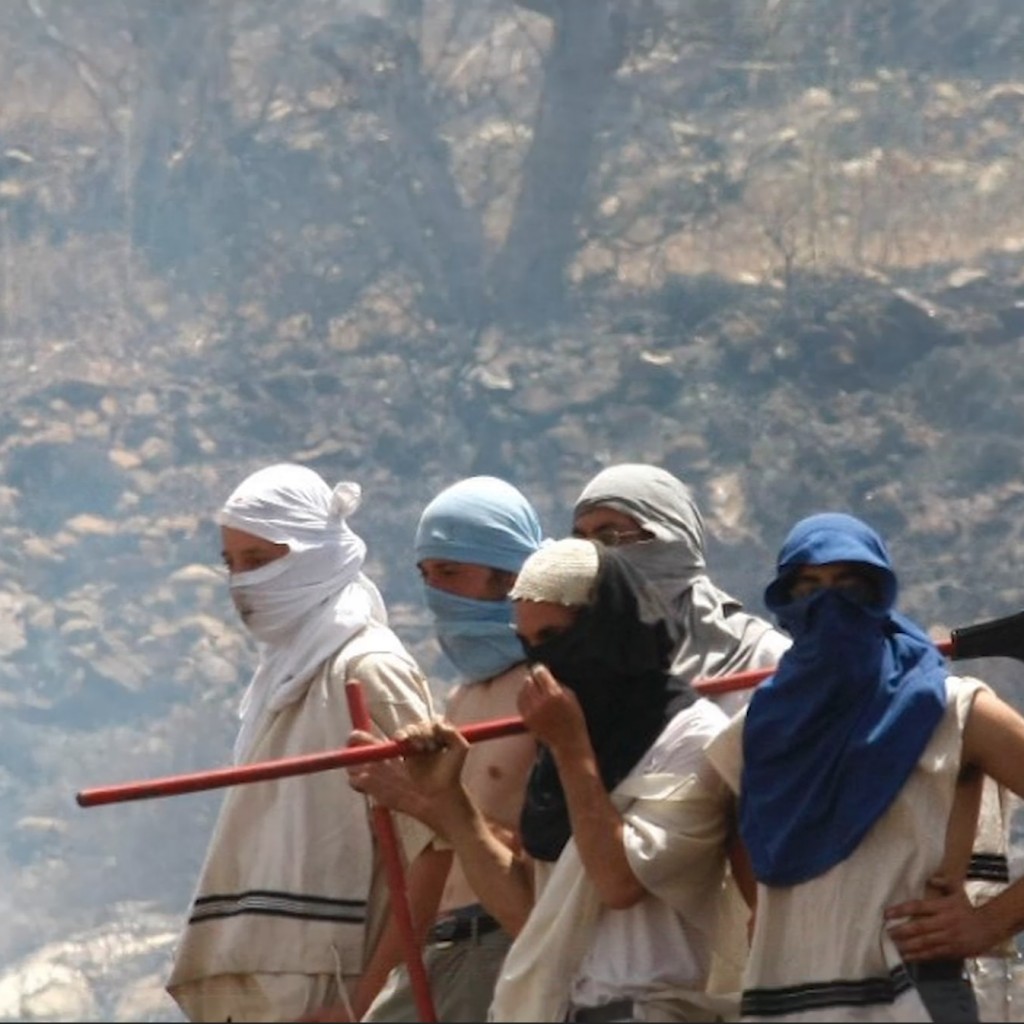
Abby Martin goes on-the-ground to the epicenters of state-backed settler terrorism in Palestine’s West Bank, in Part II of her report on illegal Israeli settlements.
Israel’s massive expansion of illegal settlements, built on stolen land and demolished Palestinian homes, is advanced by extreme violence from both the state forces and the settlers.
But the attacks on innocent Palestinians by Israeli settlers goes far beyond fists and rocks.
This installment visits both the rural countryside of Duma—interviewing the surviving members of the Dawabsheh family, victims of a horrific arson attack that left three dead—and the urban center of Hebron, a glaring example of Israeli apartheid under intense military occupation.
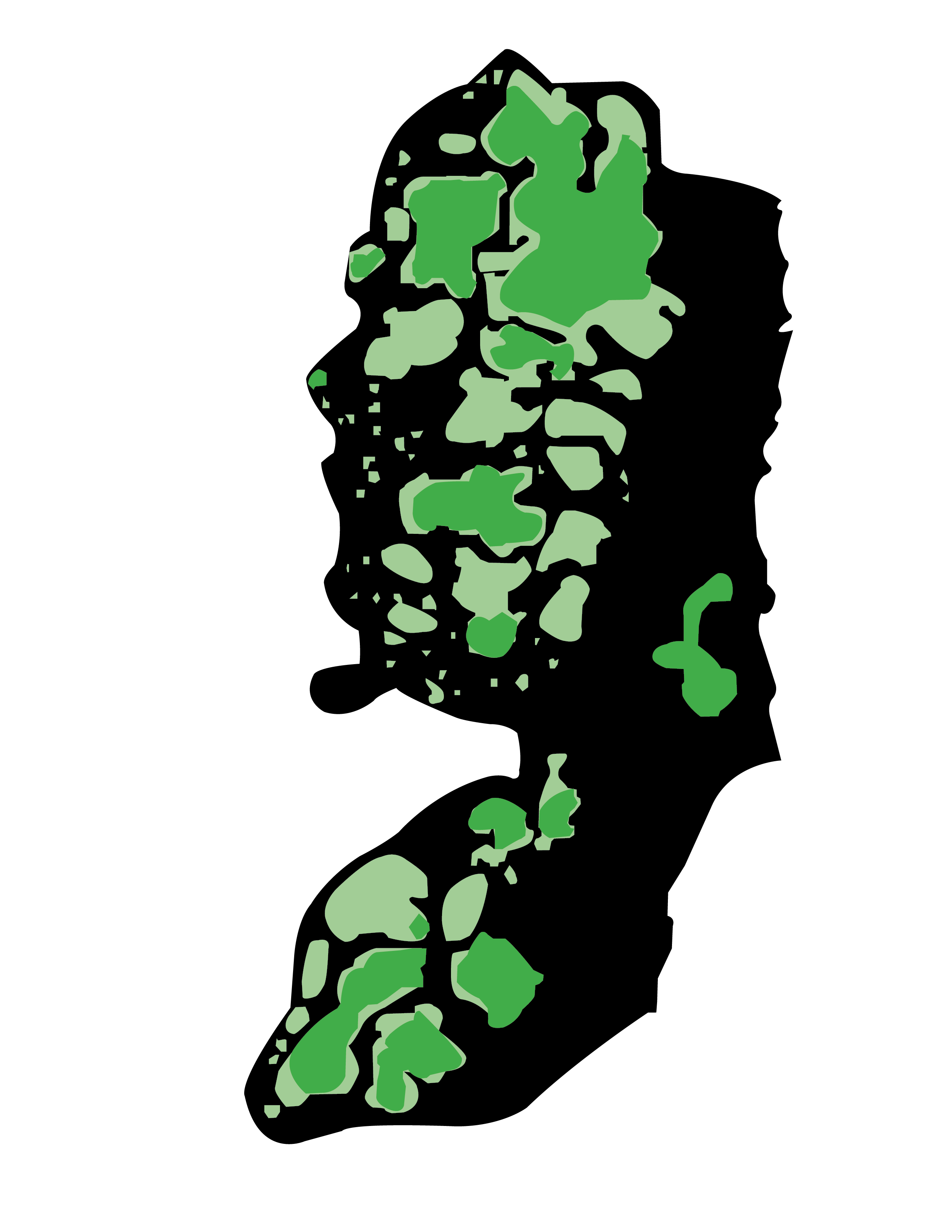
In the past 10 years, the Israeli government has seized and demolished over 1,100 Palestinian homes in the West Bank, leaving over 5,000 people homeless––half of them children.
Enjoying total impunity with the protection of the US Empire, home demolitions by Israel in the West Bank has hit a ten-year high.
Over 200 homes have been demolished in 2016 alone, leaving 800 people homeless––400 of them children. Many hundreds more have orders to evacuate their homes and businesses for demolition.
While this activity led by the fanatical settler movement is illegal under international law, it is completely aided and abetted by the Israeli government.
With hundreds on notice to be evicted and their homes destroyed, Abby Martin goes on-the-ground throughout the West Bank investigating this dire human rights situation. She speaks to residents living under regular settler attacks from encroaching settlements and outposts illegal even under Israeli law, and sees first-hand how this crisis is worsening.
In her first on-the-ground report from Palestine, Abby Martin gives a first-hand look into two of the most attacked refugee camps in the West Bank: Balata and Aida camps.
With millions of displaced Palestinians around the world, hundreds of thousands are refugees in their own country—many have lived packed into these refugee camps after being ethnically cleansed from their villages just miles away.
Inside Palestine’s Refugee Camps
**
Aida camp is located between the municipalities of Bethlehem, Beit Jala and Jerusalem and is near two large Israeli settlements – Har Homa and Gilo – considered illegal by the international community.
“Gilo is less than two km away and they have 24-hour fresh water, gardens and schools for children. We live just next to this settlement and we suffer from lack of all of these. We’ll never accept this. My home village is 40 minutes distant and I can’t reach it. It is not easy to be a refugee in my country,” Alazzo complained.
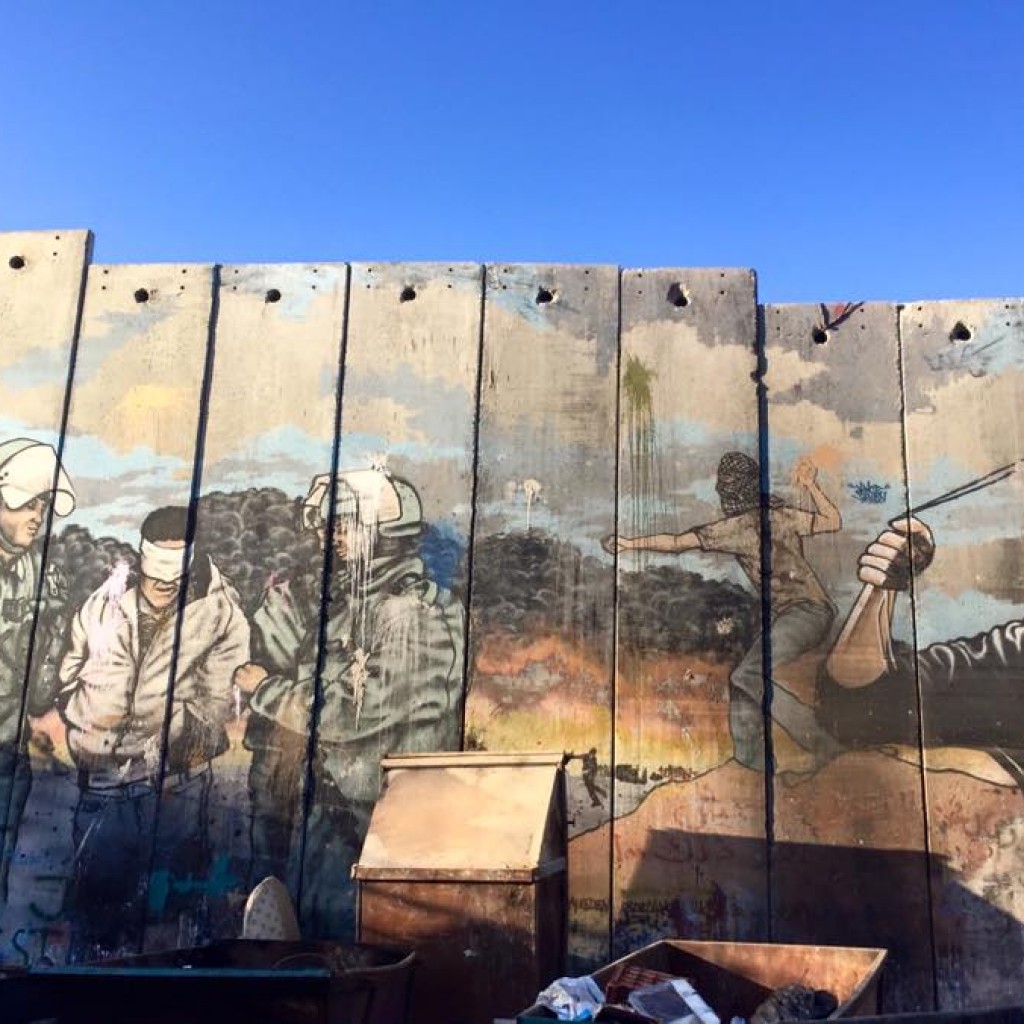
Aida has been a hot spot since the Second Intifada (also called as Al-Aqsa, a Palestinian uprising started in 2000) and refugees became highly exposed to violence as a result of military operations.
The increasing number of injuries in the camp are due to excessive force documented by the UN. In 2015, there were 84 incursions by Israeli security forces, 57 injuries (21 were minors), 44 arrests (including 13 minors), and one fatality with the death of a minor.
Walking through the alleys and narrow streets of Aida, it is common to hear stories about men and boys taken from their homes by Israeli security forces.
“We’re always afraid of our sons being taken by Israeli army. I never leave them alone. It is normal for the Israeli soldiers to take kids. It’s a scary life,” Sumayah Asad, a 40-year-old mother of six, told IPS.
It was a Friday morning, a sacred day for the Muslims, and she was handing out chocolates and sweets as gifts to whoever passed in front of her house. Asad said she was celebrating her 12-year-old son’s release after five days in detention.
“I’m happy now to see my son released from the Israeli occupation. Soldiers came to my house at three in the morning and caught my boy. They let him out after discovering he hadn’t done anything. Kids should be playing or be in the school, not in jail,” she said.
Although not everyone agrees that coexistence is possible among Jews and Palestinians, Munther Amira, 45, who was born in Aida and whose family came from the village Dier Aban (South Jerusalem), remains optimistic that peaceful change can be achieved.
“Yes, we can coexist. The idea of coexistence is based on human rights and should include our right of return. Here in Palestine, Christians and Muslims already live together. It’s difficult to develop a democracy under an occupation,” he told IPS.
Listen toAbby’s firsthand accountof life under occupation in the West Bank, settler terror & being banned from Gaza during her trip to Palestine on Media Roots Radio.



 Abby Martin goes on-the-ground to the epicenters of state-backed settler terrorism in Palestine’s West Bank, in Part II of her report on illegal Israeli settlements.
  In the past 10 years, the Israeli government has seized and demolished over 1,100 Palestinian homes in the West Bank, leaving over 5,000 people homeless––half of them children.
 Aida has been a hot spot since the Second Intifada (also called as Al-Aqsa, a Palestinian uprising started in 2000) and refugees became highly exposed to violence as a result of military operations.