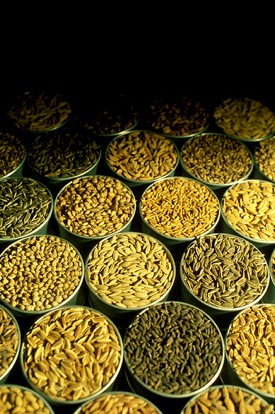
The “rice” is made by mixing potatoes, sweet potatoes and plastic.
The potatoes are first formed into the shape of rice grains. Industrial
synthetic resins are then added to the mix. The rice reportedly stays
hard even after being cooked.
The Korean-language Weekly Hong Kong reported that the fake rice is being sold in the Chinese town of Taiyuan, in Shaanxi province.
“A Chinese Restaurant Association official said that eating three
bowls of this fake rice would be like eating one plastic bag. Due to the
seriousness of the matter, he added that there would be an
investigation of factories alleged to be producing the rice,” Very
Vietnam noted.
COMMONDREAMS – If all the food in the world were shared out evenly, there would be
enough to go around. That has been true for centuries now: if food was
scarce, the problem was that it wasn’t in the right place, but there
was no global shortage. However, that will not be true much longer.
The food riots began in Algeria more than a week ago, and they are
going to spread. During the last global food shortage, in 2008, there
was serious rioting in Mexico, Indonesia, and Egypt. We may expect to
see that again this time, only bigger and more widespread.
Most
people in these countries live in a cash economy, and a large
proportion live in cities. They buy their food, they don’t grow it.
That makes them very vulnerable, because they have to eat almost as
much as people in rich countries do, but their incomes are much lower.
The poor, urban multitudes in these countries (including China and
India) spend up to half of their entire income on food, compared to
only about ten percent in the rich countries. When food prices soar,
these people quickly find that they simply lack the money to go on
feeding themselves and their children properly – and food prices now
are at an all-time high.
“We are entering a danger territory,”
said Abdolreza Abbassian, chief economist at the Food and Agriculture
Organisation, on 5 January. The price of a basket of cereals, oils,
dairy, meat and sugar that reflects global consumption patterns has
risen steadily for six months, and has just broken through the previous
record, set during the last food panic in June, 2008.
“There is
still room for prices to go up much higher,” Abbassian added, “if for
example the dry conditions in Argentina become a drought, and if we
start having problems with winter kill in the northern hemisphere for
the wheat crops.” After the loss of at least a third of the Russian and
Ukrainina grain crop in last summer’s heat wave and the devastating
floods in Australia and Pakistan, there’s no margin for error left .
It was Russia and India banning grain exports in order to keep domestic
prices down that set the food prices on the international market
soaring. Most countries cannot insulate themselves from this global
price rise, because they depend on imports for a lot of domestic
consumption. But that means that a lot of their population cannot buy
enough food for their families, so they go hungry. Then they get angry,
and the riots start.
Is this food emergency a result of global
warming? Maybe, but all these droughts, heat waves and floods could
also just be a run of really bad luck. What is nearly certain is that
the warming will continue, and that in the future there will be many
more weather disasters due to climate change. Food production is going
to take a big hit.
Global food prices are already spiking
whenever there are a few local crop failures, because the supply barely
meets demand even now. As the big emerging economies grow, Chinese and
Indian and Indonesian citizens eat more meat, which places a great
strain on grain supplies. Moreover, world population is now passing
through seven billion, on its way to nine billion by 2050. We will need
a lot more food than we used to.
Some short-term fixes are
possible. If the US government ended the subsidies for growing maize
(corn) for “bio-fuels”, it would return about a quarter of US crop land
to food production. If people ate a little less meat, if more African
land was brought into production, if more food was eaten and less was
thrown away, then maybe we could buy ourselves another fifteen or
twenty years before demand really outstripped supply.
On the
other hand, about a third of all the irrigated land in the world
depends on pumping groundwater up from aquifers that are rapidly
depleting. When the flow of irrigation water stops, the yield of that
highly productive land will drop hugely. Desertification is spreading
in many regions, and a large amount of good agricultural land is simply
being paved over each year. We have a serious problem here.
Climate change is going to make the situation immeasurably worse. The
modest warming that we have experience so far may not be the main cause
of the floods, droughts and violent storms that have hurt this year’s
crops, but the rise in temperature will continue because we cannot find
the political will to stop the greenhouse-gas emissions.
The
rule of thumb is that we lose about 10 percent of world food production
for every rise of one degree C in average global temperature. So the
shortages will grow and the price of food will rise inexorably over the
years. The riots will return again and again.
In some places the
rioting will turn into revolution. In others, the rioters will become
refugees and push up against the borders of countries that don’t want
to let them in. Or maybe we can get the warming under control before it
does too much damage. Hold your breath, squeeze your eyes tight shut,
and wish for a miracle.
YES!– When politicians refer to natural gas as a “clean” alternative to oil and coal, they seldom mention a commonly used technique called horizontal hydraulic fracturing, also known as fracking.
But in New York, residents were concerned enough about the long-term
environmental, health, and economic fallout of fracking that they
convinced the state Senate to institute a moratorium on the practice.
In a 48-9 bipartisan landslide, state leaders voted to prohibit
fracking for nine months so they can evaluate the environmental and
health impacts of the practice before deciding how to continue.
“It was absolutely the result of thousands of citizens weighing in
with their senators,” said Katherine Nadeau, director of the Water and
Natural Resources Program for Environmental Advocates of New York.
“When that many people call, write, and show up, it gets results. The
other side was spending obscene amounts of money, but the more
compelling argument was that there have been serious tragic
repercussions to drilling.”
Those repercussions have included fatalities from exploding wells,
30-mile stretches of streams without any living organisms, exploding
tap water, diesel fuel spills, sick children and adults, plummeting
property values, farmland that is no longer tillable, the destruction
of vast swaths of once-beautiful scenery, along with many other
documented cases of harm to people and the planet.
MEDIA ROOTS- When was the last time you stopped to think about the one thing you
can’t live without? I don’t mean the Internet – I’m talking about water.
Without clean drinking water, life could not go on. This is why it’s so
important that we know what is in our
water. For the past sixty-five years, city governments nationwide have
been adding a controversial substance called fluoride to municipal water
supplies.
You probably recognize the word fluoride from the back of your toothpaste tube or from your visits to the dentist. But
the fluoride added
to our water is not the same as that in our toothpaste. The chemical added to
our water is a fluorine compound called hexafluorosilicic
acid that is generated as a by-product from the phosphate fertilizer
industry.
Phosphates are minerals that are used to make fertilizer, and phosphate
mining industry is a giant moneymaker. Fluoride is created
by the production of fertilizer as well as in the manufacturing of steel, aluminum,
glass, and cement. Previously, the lack of government regulation allowed gaseous
fluoride to move through factory smokestacks and straight into our
atmosphere. Now, environmental regulations require giant filtration
systems called “scrubbers” atop the stacks to keep these toxic
chemicals from escaping into the air. Fluorosilicic acid is then extracted from these scrubbers and condensed to
a water-based solution which is packaged unrefined and sold to city governments for the purpose of water fluoridation.
By selling the fluoride byproducts for this purpose, companies avoid
the huge cost of disposing of these chemicals in the environment
safely, and according to regulation. Back in the 1930’s, a band of
industrial corporations – including Monsanto, U.S. Steel, Union Carbide,
and Aluminum Company of America (ALCOA), the leading producer of
aluminum – had been cheaply disposing of their fluoride byproducts into
the environment for years. This changed when their toxic waste became the
target of negative press in the local news. A 1933 toxicology report by the
USDA had warned of fluoride’s toxicity, singling out the aluminum industry as
the biggest culprit.
The new potential of legal liability due to the exposure of
workers and communities to industrial fluoride scared these corporations.
Knowing that disposing of industrial fluoride waste safely was expensive, ALCOA
employed biochemist Gerald Cox
in 1936, to argue for fluoride’s dental benefits through experimentation on
rats. Cox, neither a doctor nor a dentist, concluded that fluoride strengthened
and protected teeth against decay and began to tour the country promoting water
fluoridation on behalf of his employers. Interestingly, Cox’s
findings ran contrary to the position originally held by the American Dental
Association (ADA) on water fluoridation.
In 1944, the Journal of the
American Dental Association published
the following statement:
“We do know that the use
of drinking water containing as little as 1.2 to 3.0 parts per million of
fluoride will cause such developmental disturbances as osteosclerosis,
spondylosis, and osteopetrosis, and we cannot afford to run the risk of
producing such serious systemic disturbances…”
In spite of this warning by the ADA, Grand Rapids, Michigan became the first
community to fluoridate its drinking water the very next year.
In 1947 Oscar R. Ewing, a
paid attorney for ALCOA, was picked to head the Federal Security Agency. In
this position he oversaw the Public Health Service or PHS (which is now the
Department of Health and Human Services). This enabled him to change the Code of Federal
Regulations, and place all control of drinking water fluoridation in the hands
of his own department. Making clear his lingering ties to the aluminum industry
and their expensive toxic waste, Ewing made fluoridation
promotion one of the first official policies of the PHS. Over the next three years, 87 additional American cities began fluoridating their water.
The study that is often referred to in fluoride’s defense
was conducted by
the National Institute of Dental Research
(NIDR) of the United States Public Health Service (PHS). It sought to
determine whether there was a relationship between fluoridation and tooth
decay. Released in 1988, the multi-million dollar nationwide survey examined
39,000 U.S. school children aged 5-17 from 84 different fluoridated and
non-fluoridated geographical areas.
Surprisingly, the study uncovered a declining trend in tooth
decay rates in both fluoridated and non-fluoridated areas, mostly due to overall
better hygiene. The overriding conclusion from the extensive study was that
there is no relationship between
tooth decay and fluoride ingestion. Despite this consensus, this study is still commonly cited to link lowered decay
rates in fluoridated areas. A seldom-reported fact is that the same trend was
found in non-fluoridated areas too.
Fluoride overexposure can bring serious health risks. The most common affliction due to overconsumption is
called fluorosis,
a condition characterized by a discoloration of teeth or changes in bone
density. An excess of fluoride eats away at the enamel of your teeth,
causing craters and surface discoloration. Dental fluorosis is the first clear
and obvious sign that your body is being poisoned by too much fluoride, and
cases can range from mild to severe. This occurs because only 50% of all fluoride
taken in by the body is excreted. The remaining fluoride is disseminated
throughout the body, accumulating in our bones, pineal gland and other tissues.
In Karnataka,
India, an excess of fluoride has turned the ground water into a slow
poison, crippling at least 10,000 people.
The Director of the National Institute of Mental Health and
Neurosciences, Dr D Nagaraj, says
that “due to fluoride concentration in water, many people in districts [in Karnataka, India] like Dharwad
and Tumkur have spinal cord diseases. These are progressive diseases,
after decades of consumption. People are battling with permanent disabilities.”
Alarmingly, a 1991 study
by the U.S. Public Health Service found that the rates of osteosarcoma, a
deadly type of bone cancer, were significantly higher in fluoridated
communities than in non-fluoridated communities. The Harvard School of Dental
Medicine found
the same link in study done ten years later. Additional studies
have associated fluoride ingestion with other serious health problems,
including chromosomal damage, morphological changes to their kidneys and brain,
hypo activity (or inactivity), damage to the thyroid gland, skeletal fluorosis,
osteoporosis, liver cancer, and fertility problems.
The most distressing findings come from 18 human studies done in
China, India, Iran and Mexico that show a substantial lowering of IQ in fluoridated
areas. The ingestion of fluoride has been shown to increase the gastrointestinal absorption
of aluminum by over 600%, and the absorption of heavy metals like aluminum is
speculated to have a direct correlation to Alzheimer’s disease and other neurological
brain disorders. Although a direct correlation between Alzheimer’s disease and
fluoride ingestion is inconclusive, it is interesting to note that the rate
of Alzheimer’s is twice as high in America than in Europe, where many countries
have banned fluoridation.
Many countries around the world are
skeptical of the benefits of adding fluoride to drinking water. Austria,
Belgium, Denmark, Finland, France, Germany, Iceland, Italy, Luxembourg,
Netherlands, Norway, Sweden, Switzerland, Japan and China have all ruled out water
fluoridation as a safe and fair practice.
If you want to find out whether you’re drinking
fluoridated water, the first thing you can do is access your city’s
fluoridation status on the Center for Disease Control’s website in its oral health
section.
If your water is fluoridated, it’s not a lost cause. You can speak out in your community or at
city council meetings to let your local representatives know your concerns. To remove
fluoride from your water you have a couple of options. You can equip your home
with water filtration systems like those at Equinox or Burkey. Filters like Pur
and Brita do not remove fluoride. If you
buy bottled drinking water, reverse osmosis and distillation remove almost all
fluoride.
If your city is planning to fluoridate you can stop it! Activists
in Pennsylvania have
successfully fought off fluoridation legislation since 1987 and they’re at it
again. There is still a chance to put a halt to the fluoridation process in
your own city.
Whether or not you support water fluoridation, the
real issue here is having a choice. No chemical, no matter what its supposed
benefits are, should be forced upon the public without their consent. Having access to clean water should be a
fundamental right for every human being.
“Water is the lifeblood of our bodies, our economy, our nation and our well-being.” -Stephen Johnson
***NOTE
After numerous attempts to get data from city officials proving the
benefits of mass fluoridation, I kept getting referred back to either the
respective city’s water website or other government controlled sites. I also
attempted to get in contact with Ellie Nadler, the head of San Diego’s Coalition for Fluoridation, but
couldn’t find any legitimate website or group presence for that matter. Ellie
backed out of any interviews and refused to give a statement.
Written by
Abby Martin, Research help by Jeff Wilson
Interview I conducted with David C. Kennedy, DDS, and former head of the International Academy of Oral Medicine and Toxicology.
Additional Resources–
Tooth
Decay Trends
in Fluoridated and Non Fluoridated Areas
YESTERDAY– Americans constantly obsess over the latest diet fads and skinny trends, yet we’re one of the unhealthiest nations on the planet. According to the US Surgeon General, obesity plagues more than 30% of Americans- killing over 300,000 people every year.
Heart disease, cancer, and diabetes are also on the rise, with one of the main culprits in this disturbing trend being sugar. Almost 20% of our daily calorie intake comes from refined white sugar, working out to about 150 pounds of sugar per person per year.
Consumed in small amounts, sugar actually helps your metabolism and supplies a quick boost of energy. In excess, sugar adds nothing but empty calories to your body. Many people have recognized this and now opt for sugar free alternatives, allowing for the rise of the artificial sugar industry.
The most prevalent artificial sugar in our food supply today is called aspartame, which is also recognized as Equal or NutraSweet. Aspartame has made its way into more than 6,000 products including almost all diet sodas, chewing gum, frozen desserts, yogurt, and even vitamins and cough drops. 200 hundred times sweeter than sugar, aspartame is a combination of two amino acids: aspartic acid and phenylalanine.
Although aspartame is affirmed as safe by the Food and Drug Administration (FDA), they receive more complaints about adverse reactions to aspartame than any other food ingredient in the agency’s history.
At least 30% of the US population is sensitive to even moderate doses of aspartame and may suffer symptoms such as severe headaches, dizziness, attention difficulties, memory loss, throat swelling, and seizures. Long term effects include blood sugar problems, insomnia, diabetes, ovarian cancer, and brain tumors.
One 2002 study from Kings College found that the more NutraSweet is consumed, the more likely it is for brain tumors to develop. A Washington University School of Medicine report from 1996 found aspartame to be the “most likely suspect” for the striking increase in malignant brain cancer in the years following its approval. Disturbingly, the FDA ended up approving this chemical posion as unequivocally safe for human consumption despite alarming evidence to the contrary.
Aspartame was first patented in the mid 60s by drug company G.D. Searle, which was later bought by Monsanto and then spun off into the NutraSweet Co. Initially, the FDA approved aspartame, but after finding glaring inconsistencies in Searle’s testing data, the administration revoked its approval. The FDA commissioner at the time declared the tests “at best… sloppy,” saying that they revealed a “pattern of misconduct which compromises the scientific integrity of the studies.”
Dr. Erik Millstone, food safety expert at the University of Sussex, details how flawed Searle’s tests really were. For example, rats had died during the course of an experiment for reasons that were never explored, and tumors that appeared in the rats during the study were simply “cut out and discarded.” According to Dr. Millstone, the tests were so inconsistent that there is no way to be sure of aspartame’s safety.
The flurry of debate about Searle’s tests incited the FDA to establish a Public Board of Inquiry, comprised of independent scientists to rule on safety issues surrounding aspartame. In 1980, the Public Board of Inquiry concluded that NutraSweet should not be approved, pending further investigations of brain tumors in animals. Searle then sued the FDA for retracting its approval of the product.
When Ronald Reagan became President the following year, his transitional team included Donald Rumsfeld, CEO of Searle, the company that manufactured aspartame. Reagan then handpicked Dr. Arthur Hull Hayes Jr. to be the new FDA Commissioner. In one of his first official acts, Hayes overruled the Public Board of Inquiry’s recommendations and authorized aspartame in dry foods and carbonated beverages.
In 1983, aspartame quickly flooded the market despite urges by the National Soft Drink Association to delay its approval for carbonated beverages because of its instability in liquid form. When liquid aspartame reaches temperatures above 85 degrees Fahrenheit, the heat breaks down known toxins, and side effects become worsened. There is an enzyme that converts the methyl alcohol into toxic formaldehyde in both the human brain and breast, causing symptoms that mimic multiple sclerosis and Alzheimer’s disease. Even in low doses, aspartame can damage the brain’s memory proteins.
FDA commissioner Arthur Hull Hayes ended up leaving the FDA under allegations of impropriety and took a position with Burson-Marsteller, the chief public relations firm for both Monsanto and G.D. Searle, revealing his blatant ties with aspartame’s manufacturer.
Even in the face of its sordid past, weight-conscious Americans will still likely opt for products containing aspartame because it’s marketed as a weight loss aid. Ironically, studies have shown that it actually increases appetite and sugar intake because the empty sweetness from artificial sugars makes your body expect food and you end up craving more.
Recently, many people are jumping on the sucralose, or Splenda, bandwagon. Splenda is a competing artificial sugar that claims it is made from “real sugar.” This is true- to an extent. Sucralose is produced by adding three chlorine atoms to a sugar molecule. The FDA maintains the position that your body doesn’t actually digest the chlorine, but studies from Japan have shown that your body can digest up to 27% of it. Other potential effects of sucralose consumption include cancer, limb paralysis, infertility and breathing difficulties.
You are probably wondering what your options are once you remove refined white sugar, aspartame, and sucralose from your diet. The good news is that there are natural and healthier options. Honey and agave are two natural sweeteners that can be found in any local supermarket.
However, if you are still looking to cut calories then Stevia is the way to go. Stevia is a sweet herb that has been used as a natural sweetener in South America for the past 1500 years. It is non caloric and is 25 times sweeter than sugar. Tests have shown that Stevia intake actually helps regulate blood sugar, inhibit tooth decay, aid mental alertness, improve digestion, and users of Stevia even report less desire to smoke tobacco and ingest alcohol! Today, Stevia is finally on the market after a decade long FDA ban due Aspartame’s heavy lobbying influence.
Here is a an investigatory video report I did about artificial sugars.



 RAW STORY– China’s history with food safety is a rocky one, but even in the annals of robbery and abuse, this will go down in infamy.
 The food riots began in Algeria more than a week ago, and they are
going to spread. During the last global food shortage, in 2008, there
was serious rioting in Mexico, Indonesia, and Egypt. We may expect to
see that again this time, only bigger and more widespread.
The food riots began in Algeria more than a week ago, and they are
going to spread. During the last global food shortage, in 2008, there
was serious rioting in Mexico, Indonesia, and Egypt. We may expect to
see that again this time, only bigger and more widespread.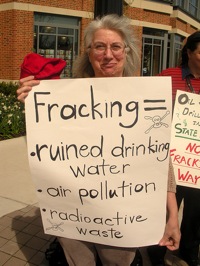 YES!
YES!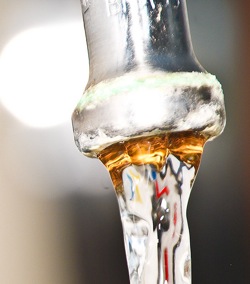 MEDIA ROOTS- When was the last time you stopped to think about the one thing you
can’t live without? I don’t mean the Internet – I’m talking about water.
Without clean drinking water, life could not go on. This is why it’s so
important that we know what is in our
water. For the past sixty-five years, city governments nationwide have
been adding a controversial substance called fluoride to municipal water
supplies.
MEDIA ROOTS- When was the last time you stopped to think about the one thing you
can’t live without? I don’t mean the Internet – I’m talking about water.
Without clean drinking water, life could not go on. This is why it’s so
important that we know what is in our
water. For the past sixty-five years, city governments nationwide have
been adding a controversial substance called fluoride to municipal water
supplies. 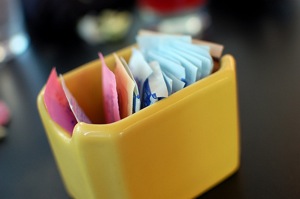 YESTERDAY