
How Words Absolve Pillaging and Mass Murder

WordsFlickrKool_SkatkatObama’s election marked a new dawn for hundreds of millions of people, who were looking to an eloquent, constitutional lawyer for “Hope” and “Change” in America. However, it quickly became apparent that Obama had little substance beyond the slogans branded by his campaign.

With a little more than a year left in his presidency, his milquetoast legacy has been embodied by his greatest skill: wordcraft. Obama’s team has continued, if not exacerbated, most Bush era policies, simply rebranding them in order to appease and confuse the public into compliance.

One of the first things his administration did was declare an end to the “War on Terror” that the Bush sociopaths launched worldwide. Turns out, all they wanted to do was stop calling it a “War on Terror,” making clear that any further military involvement abroad would simply be called “Overseas Contingency Operations.”

Six years later, and the Nobel Peace Prize winning president has bombing campaigns in seven different countries under his belt. And the casualties of the empire’s plunders? Collateral damage.

There are also new terms for war. When US and NATO bombed the hell out of Libya resulting in the failed state we see today, it wasn’t a war. No, it was merely a “Kinetic Military Action,” according to government officials.

Torture is now “enhanced interrogation techniques”, and the act of kidnapping and exporting torture is simply called “extraordinary rendition”.

Whenever the administration sends predator drones to bomb people around the world, they’re just “surgical strikes” targeting “militants”. However, simply being military aged male constitutes someone as a militant, and according to the Bureau of Investigative Journalism, less than four percent of drone victims in Pakistan are officially listed as al Qaeda.

When Obama’s cabinet dropped the term “enemy combatant”, it was a purely symbolic move to distance itself away from the Bush Guantanamo era. Unfortunately, over 140 men still remain rotting away in the notorious prison despite what they’re now called on paper. And when these prisoners go on a hunger strike, it’s now called a “long term non-religious fast”.

As journalist Glenn Greenwald reminds us, altering the names of policies doesn’t change the fact that they’re still happening:

“The Obama administration…makes only the most cosmetic and inconsequential changes – designed to generate headlines misleadingly depicting a significant reversal – while, in fact, retaining the crux of Bush’s extremist detention theory.”

Obviously this rebranding tactic wasn’t invented by Obama’s PR team. 

Propaganda was propelled with the advent of PR genius Edward Bernays and later Nazi mastermind Joseph Goebbels, whose powerful techniques have been perfected and employed for decades by governments worldwide. Disturbing Newspeak phrases that absolve their pillaging and mass murder have permeated society and warped our interpretation of reality.


How Words Absolve Mass Murder

The term “Mowing the Lawn” is what governments say to allude to the literal mowing down of civilians. Shockingly, the callous term has been used not only by Israeli military commanders in reference to the recent bloodbath of Palestinians, but it’s also been used by Obama’s counter-terrorism adviser Bruce Riedel who said this about drone strikes:

“You’ve got to mow the lawn all the time. The minute you stop mowing, the grass is going to grow back.”

If you think that’s bad, officials also use the cute phrase “Shake ‘n Bake” to refer to using banned white phosphorus before blowing up people with high grade explosives. Administrators also think so lowly of the people they’re killing with flying robots that they brutishly call them “bug splats”.

Beyond war, in today’s cut throat capitalist world overrun by neoliberal doctrine, there’s a language of dehumanization employed towards everything, spoken among the elite class and policy heads in order to keep things running efficiently.

As the Guardian points out, the term “cleansing the stock” is actually used to describe excess human beings by parliamentarians. After all, you can’t afford to actually feel emotion, empathy or sorrow for the paupers at the bottom of the totem pole.

Unsurprisingly, when it comes to the natural world, the language is even more crude.

According to journalist George Monbiot,

“Nature is “natural capital”. Ecological processes are ecosystem services, because their only purpose is to serve us. Hills, forests and rivers are described in government reports as green infrastructure. Wildlife and habitats are asset classes in an ecosystems market. Fish populations are invariably described as stocks, as if they exist only as moveable assets from which wealth can be extracted – like disabled recipients of social security.”

All of these devaluing terms have seeped into mainstream consciousness, dutifully repeated by media figures and then, by us.

Words hold tremendous power, and if we don’t reclaim our language and start seeing people instead of “militants”, drone victims instead of “bug splats”, or natural splendor instead of “green infrastructure”, then the voiceless are destined to be silenced forever.

Follow me at @AbbyMartin
9/11: Warnings Ignored, US Ally Funding, Bush Admin Lies & Redacted Truths

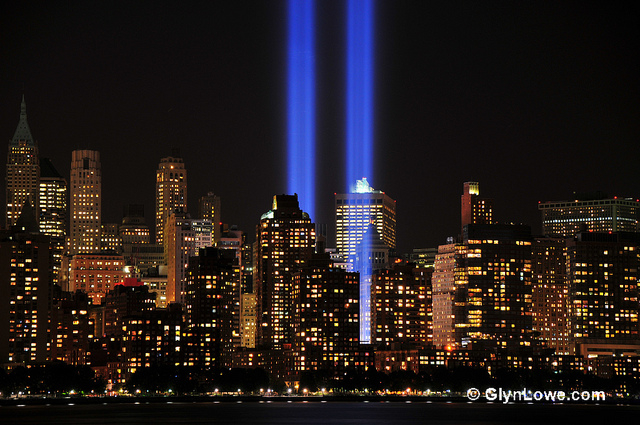
911memorialFlickrGlynLoweThe 9/11 attacks gave the US a huge opportunity to embark on a new era of global unity and partnership.
Instead, the tragedy was exploited – not only to erode Americans’ civil liberties, but to engage in endless militarism based on imperial bloodlust.

The US government tortured, bombed, invaded, occupied and destabilized entire nations that had nothing to do with 9/11 and posed no threat to this country. Incredibly, the countries that most likely did play an operational role remain the US’ strongest allies in the Middle East.

The Bush administration claimed the attacks were simply a failure of imagination, when in fact hijacking planes and crashing them into government buildings was a known tactic of terror.

Officials also turned a blind eye to an innumerable amount of warnings. From Morocco to Russia, dozens of foreign intelligence agencies warned the US of an imminent terrorist attack in the months prior to 9/11. The infamous August 6th Presidential Daily Briefing, in which Bush was warned of a 9/11 style plot, was just the tip of the iceberg. According to The New York Times, even more ‘shocking’ classified briefs were delivered to the highest echelons of the intelligence community.

Other lingering questions include why Pakistani ISI’s General Mahmoud Ahmed was having breakfast with lawmakers in DC on the morning of 9/11 after ordering Omar Sheik to wire transfer $100,000 to Mohammed Atta, the lead 9/11 hijacker. This, along with evidence of Saudi royal backing, calls into question why the 9/11 Commission Report concluded that the source of funding for the attacks is “of little practical significance.”

Despite the group’s casual disregard to investigate foreign governments that helped finance the operation, a document that could expose the subject is called The Joint Inquiry into Intelligence Community Activities Before and After The Terrorist Attacks of 9/11 – except 28 pages of it, entitled ‘Potential Sources of Foreign Support for the September 11 Hijackers,’ were redacted by the Bush administration and remain classified to this day.

Amazingly, simply bringing up any of these inconsistencies paints you as a lunatic in the mainstream media, which lumps any and all questions about 9/11 as baseless conspiracy theories. No matter how out there some of those theories indeed are, they shouldn’t delegitimize the facts.

Based on the historical record, here’s the best case scenario: Hundreds of warnings were ignored, no one was fired because of it and countless have died as a result.

**

Warnings Ignored, US Ally Funding, Bush Admin Lies & Redacted Truths

Coverage includes an exclusive interview with Brian McGlinchey, spokesperson for 28pages.org, former FBI agent and whistleblower Coleen Rowley about the agency being blocked from investigating Zacharias Moussaoui, AKA the ’20th Hijacker,’ RT’s Alexey Yaroshevsky at Ground Zero’s crass 9/11 gift shop.

**

I also went on Off the Grid with Jesse Ventura to talk about being ostracized for questioning the official 9/11 narrative as well as my trip to Guantanamo Bay.

Abby Martin Goes Off the Grid with Jesse Ventura

**

Follow me @AbbyMartin

Photo by flickr user Glyn Lowe

BP’s Oil Spill: Criminal Negligence, Thousands Still Sick & A Gulf Graveyard Left Behind

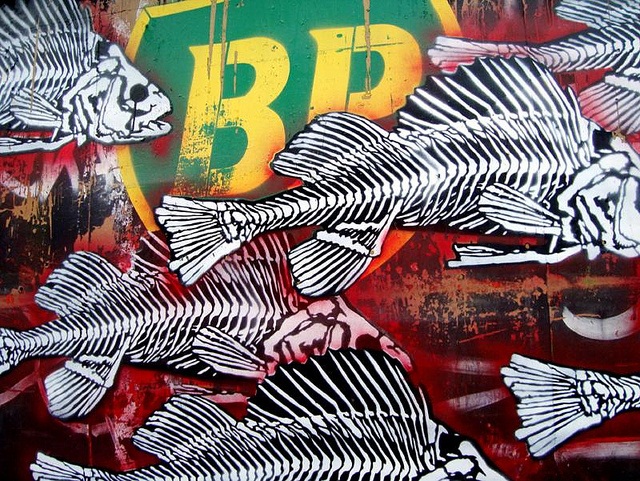
BP dead flickr user thierry ehrmannAfter BP agreed to pay $4.5 billion to the government, and another $9.2 billion in penalties since its catastrophic oil spill, a new ruling has put the corporation under fire again.
A US District Judge has found BP grossly negligent and it’s subcontractors, Halliburton and TransOcean, negligent for their roles in the 2010 Deepwater Horizon explosion and subsequent dumping of more than 210 million gallons of toxic sludge into the Gulf of Mexico, killing 11 people and countless marine creatures in the process. Under the Clean Water Act, the new ruling could effectively quadruple the penalty per barrel spilled that BP will have to pay.

BP’s criminal negligence shouldn’t come as a surprise. After nine years at sea, company management acknowledged that the Deepwater drilling rig was in decline and presented a quote “intolerable risk” to safety, yet chose to do nothing. Halliburton also plead guilty to the destruction of key evidence related to the company’s shady cost-cutting practices like failing to inspect the well’s cement mixture, and using only six of the recommended 21 centralizers to secure the site.

Besides the massive damage that’s been done to the environment as a result of the BP disaster, the health impact on humans continues – largely because of the decision by BP and the EPA to spray nearly two million gallons of a dispersant called Corexit onto the water, making the oil 52 times more toxic, according to the Environmental Pollution Journal.

All this aside, BP’s contracts with the Defense Department have more than doubled in the years since the disaster.

Even though the media is fatigued with its coverage of this disaster, Breaking the Set went down to the Louisiana Gulf Coast to see how the region is faring nearly five years later and to investigate the spill’s lasting damagesWe learned that hundreds of thousands of people are still sick, and that the oil industry has turned the once vibrant shore into a graveyard.

Abby

**

BP’s Oil Spill: Criminal Negligence, Thousands Sick & Gulf Graveyard Left Behind

**

Exclusive coverage includes interviews with Jorey Danos, a sick clean-up worker who was exposed to a toxic chemical dispersant known as Corexit, award winning toxicologist Wilma Subra, Gulf Restoration Network’s Jonathan Henderson and Clint Guidry, President of the Louisiana Shrimpers Association.

We also reached out to BP, which provided the following statements:

Q: Why were cleanup workers refused respirators and even threatened with termination if they requested them, according to multiple interviews with clean-up workers and the Louisiana Environmental Action Network?

A: We certainly do not and would not retaliate against workers. BP worked closely with OSHA, the US National Institute for Occupational Safety and Health (NIOSH) and other US government agencies to take extraordinary measures to safeguard the health and safety of responders.

Workers were provided safety training and appropriate personal protective equipment (PPE), and were monitored by federal agencies and BP to measure potential exposure levels and to help ensure compliance with established safety procedures.

Response workers applying dispersants received training on work procedures and PPE usage designed to minimize exposures, and were provided respirators and other PPE.

Workers who were not exposed to dispersants may have asked for a respirator, possibly in the mistaken belief that it would provide an extra level of protection and safety. This is not true. Perhaps the most important consideration in voluntary respirator usage is the potential physiological burden placed on the user. That was particularly true given the hot working conditions encountered during the response.

Due to the extensive controls in place, there was little potential for worker or public exposure to dispersants. More than 30,000 air monitoring samples were collected by the Coast Guard, OSHA, NIOSH, and BP as part of a comprehensive air monitoring program to evaluate the potential for human exposure to dispersant and oil compounds. The results showed that response worker and public exposures to dispersants were well below levels that could pose a health or safety concern.

Additional Background: OSHA advises that, “in workplaces with no hazardous exposures, but where workers choose to use respirators voluntarily, certain written program elements may be necessary to prevent potential hazards associated with respirator use. Employers must evaluate whether respirator use itself may actually harm employees. If so, employers must medically evaluate employees and, if necessary, restrict respirator use…”

For these reasons, respirators typically are not provided to people who do not need them, and who have not passed the required tests for fitness to wear the equipment. In consultation with NIOSH and OSHA, BP developed guidelines to help determine when PPE, including respirators, was to be used. Known as the “PPE Matrix,” this guideline was made available on several websites, including websites for BP and OSHA. Under the PPE Matrix, respirators were to be used in specifically- identified situations, including during the application of dispersants. There were times, however, when the potential risks associated with using a respirator outweighed the benefits since air monitoring data indicated that worker exposures to chemicals of concern generally were well below occupational exposure limits, and respirator use could place physiological stress on the body. In those cases, protection was provided by work practices and procedures and the use of other PPE.

A paper reviewing OSHA and NIOSH’s response to the accident can be found here.

Q: Why was the public told that Corexit was as harmless as Dawn, when five of the ingredients in it are linked to cancer, 33 are linked to skin irritation and 11 are respiratory toxins, according to expert toxicologists, Wilma Subra and Dr. Susan Shaw?

A: The Material Safety Data Sheet (MSDS) for Corexit, where human exposure characterization is addressed notes, “Based on our recommended product application and personal protective equipment, the potential human exposure is: Low.” Also, Section 16 of the MSDS characterized Corexit’s general product risk- “The human risk is: Low. The environmental risk is: Low.”

The same ingredients contained in Corexit are also found in common consumer products such as household cleaners, food packaging, hand lotion and cosmetics. The product ingredients alone do not determine if a compound has created a public health concern; there must also be exposure to a compound at levels and for sufficient duration that could cause harm.

The results of extensive monitoring conducted by federal agencies and BP show that response workers and the public simply were not exposed to dispersant compounds at levels that might pose a health risk.

Due to the controls in place during dispersant application operations, there was little potential for public or worker exposure when dispersants were applied to the oil offshore. This was confirmed by the government findings as previously mentioned.

Q: Why has the active cleanup of Louisiana’s coast officially ended when thousands of tar balls continue to wash on shore?

A: The Coast Guard ended active cleanup after an extensive four-year effort. Even so, we remain committed and prepared to respond at the Coast Guard’s direction if potential residual Macondo material is identified through the National Response Center reporting process and requires removal. We have teams and equipment at staging areas in Grand Isle, LA and Gulf Shores, AL ready to rapidly respond as necessary.

Additionally numerous studies and reports have documented the presence of tar balls along the Gulf coast in the decades before the Deepwater Horizon accident, and during our cleanup efforts we continued to find tarballs that did not contain residual Macondo oil.

Q: Why have only 148 people received any medical claim whatsoever well over four years after the disaster and why is the average benefit only $1,600 dollars, when doctors such as Michael Robichaux has studied hundreds of patients and observed long term and possibly lifelong health effects in the process?

A: BP and the PSC consulted with medical experts to determine compensation amounts and formulate a list of the conditions that, according to scientific evidence, could be caused by exposure to oil or to the dispersants used in the cleanup. Compensation for these listed conditions is subject to the clear terms of the MSA. As is common in class action settlements, the settlement program did not begin processing and paying out claims until all appeals were exhausted, which occurred earlier this year. As to Dr. Robichaux, his allegations were considered and rejected over a year ago by a New Orleans federal court, which found that the doctor “wholly failed to provide any competent evidence in support of the assertions he makes.”

**

Follow me @AbbyMartin

Art by flickr user Hierry Ehrmann

Posted in Uncategorized | 1 Reply

Hurricane Katrina Unheard: Blackwater, White Militias & Community Empowerment

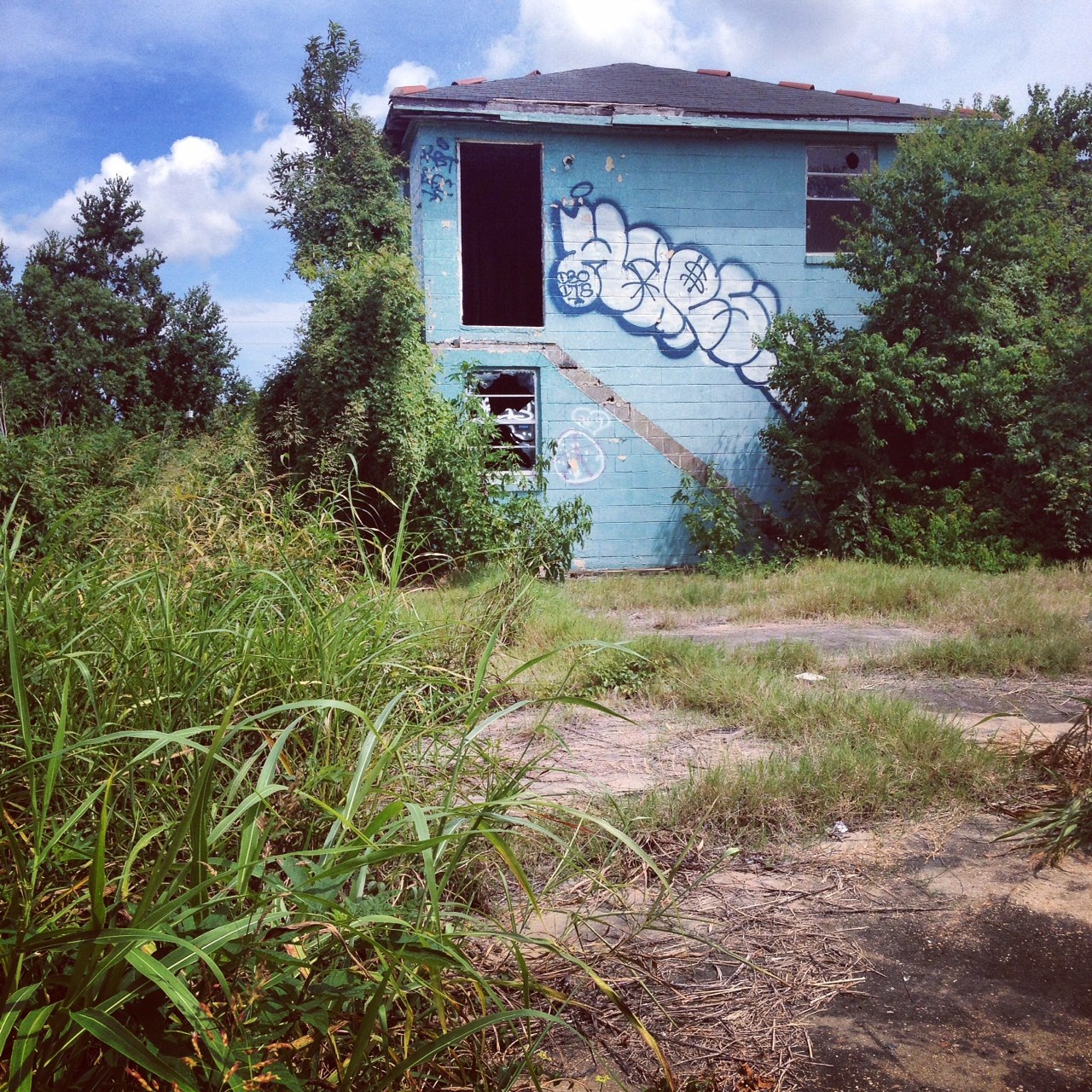
katrinahomeAfter more than 1,800 deaths, $108 billion in damages, and almost a decade of recovery efforts, Hurricane Katrina is now remembered as the single most devastating natural disaster in US history.
There were more than 50 failures in levees, leading to 80% of New Orleans being flooded. In particular, the construction of the lower ninth ward levee was called into question after a barge destroyed it, which directed the worst of the flood into the poorest areas.

Tens of thousands of people were trapped for days without food nor water and entire neighborhoods were submerged with sewage.

But instead of addressing the catastrophe like the humanitarian crisis it was, government officials treated New Orleans like a warzone. Thousands of police, national guard troops and active duty soldiers invaded the city to restore ‘law and order,’ and private mercenary firms like Blackwater were already on the streets before emergency aide could reach city residents.

Amidst the chaotic scramble by the federal government to deliver relief on the ground, defense contractors had turned large swaths of the city into an armed prison, meanwhile ordering civilians to turn in their firearms (including those legally registered). At the same time, bands of white militias patrolled the streets, using deadly force against African-Americans while police turned a blind eye.

Breaking the Set traveled to New Orleans to follow up on how the city is faring nine years after Katrina, and found miles of roadways in disrepair, tens of thousands of blighted homes and neighborhoods like the ninth ward looking like the storm just hit yesterday. According to 2010 census data, nearly a third of the population has left New Orleans, primarily in poorer communities.

The lessons of Katrina need to be heeded now, because it’s not a matter of if, but when the next Katrina hits. And the question remains: how will we respond if the government  treats its own people like refugees and goes to war with us again?

**

Hurricane Katrina Unheard: Blackwater, White Militias and Community Empowerment

 **

Exclusive coverage from New Orleans includes interviews with Ward ‘Mack’ McClendon, founder of the Lower Ninth Ward Village community center about how he is revitalizing the community and two co-founders of Common Ground Collective, former Black Panther Malik Rahim and notable anarchist Scott Crow, about taking arms against the white militias that patrolled Algiers Point and killed at least eleven black people in the aftermath of the storm.

Photo & report by @AbbyMartin

Posted in Uncategorized | 1 Reply

Media Roots Radio – Abby Goes to Gitmo

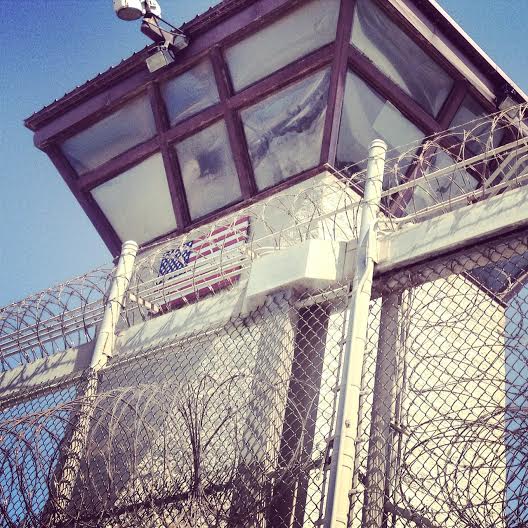
Recently I traveled to one of the most nefarious prisons in the world: Guantanamo Bay, Cuba. Despite repeated government pledges to close the infamous detention facility down, 149 men remained indefinitely imprisoned there.

gitmoAccording to a top Bush administration official, the vast majority of prisoners are innocent, and were either swept up in a dragnet or handed over in exchange for US bounties.

It’s already hard enough traveling to Gitmo as a journalist, but upon arrival I realized the experience was going to be controlled 24/7 by military escorts preventing us from going anywhere near the detainees I had come to report on.

However, I was able to speak with several top brass defense attorneys for the military commissions, a corrupt system that grants alleged terrorists less rights than civilian courts. The fact that six men are facing formal charges at the prison in relation to 9/11 & the USS Cole bombing gives the world the false impression that even alleged terrorists get their day in court. In reality, the remaining 143 men never charged with a crime may never get that luxury.

Amazingly, according to their lawyers, the detainees watch RT and Breaking the Set regularly.

My brother Robbie interviewed me about my intense experience at Gitmo for Media Roots Radio, a much more personal account than presented on my show.

Watch my on-the-ground documentary special about Guantanamo Bay here.

Follow me @AbbyMartin, and my brother Robbie @fluorescentgrey

Page 24 of 55<<...2223242526...>>