GM Crops May All Be Unstable

corn cropINSTITUTE OF SCIENCE IN SOCIETYISIS has drawn attention to the instability of GMOs and GM constructs all along. Prof. Joe Cummins offers this latest verdict, all GM crops may be unstable.

It is repeatedly claimed that genetically modified (GM) crops are altered with single genes that are stable and equivalent to the genes that have been selected and bred into the crops. In every case the GM crops originated from cell cultures that have been know to be vexed with a phenomenon called somaclonal variation. Somaclonal variation has been encountered in genetic transformation using both biolistic and Agrobacterium transformation followed by cell culture to isolate desirable agricultural characteristics.

The phenomenon is that cell cultures leading to isolate individual clones and plants are plagued by genetic instability caused both by gene mutation and chromosome rearrangement. In extreme responses plants may be infertile and the extensive mutation leads to undesirable toxic natural products being produced. Furthermore, the transgenes introduced into the modified crop are recognized as invaders by the crop being transformed and the invading genes are silenced by mechanisms including DNA methylation or gene inactivation at transcription.

The evidence that the genetic instability resulting in somaclonal variation is caused by activation of inactive virus like genetic elements called transposons is currently very compelling (see Courtial et al 2001). Activated transposons create both gene mutation and chromosome rearrangement.

Continue reading about GM Crops May All Be Unstable.

© ISIS, 2001

Photo by flickr user Michael Oh
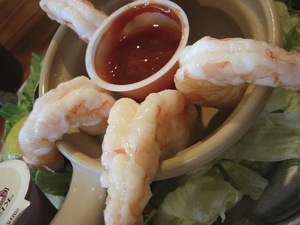
Shrimp’s Dirty Secrets

shrimpALTERNET– Americans love their shrimp. It’s the most popular seafood in the country, but unfortunately much of the shrimp we eat are a cocktail of chemicals, harvested at the expense of one of the world’s productive ecosystems. Worse, guidelines for finding some kind of “sustainable shrimp” are so far nonexistent.

In his book, Bottomfeeder: How to Eat Ethically in a World of Vanishing Seafood, Taras Grescoe paints a repulsive picture of how shrimp are farmed in one region of India. The shrimp pond preparation begins with urea, superphosphate, and diesel, then progresses to the use of piscicides (fish-killing chemicals like chlorine and rotenone), pesticides and antibiotics (including some that are banned in the U.S.), and ends by treating the shrimp with sodium tripolyphosphate (a suspected neurotoxicant), Borax, and occasionally caustic soda.

Upon arrival in the U.S., few if any, are inspected by the FDA, and when researchers have examined imported ready-to-eat shrimp, they found 162 separate species of bacteria with resistance to 10 different antibiotics. And yet, as of 2008, Americans are eating 4.1 pounds of shrimp apiece each year — significantly more than the 2.8 pounds per year we each ate of the second most popular seafood, canned tuna. But what are we actually eating without knowing it? And is it worth the price — both to our health and the environment?

Continue reading about Shrimp’s Dirty Secrets

© 2010 Independent Media Institute

Photo by flickr user adactio

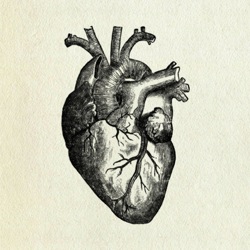
Heart Disease Leading Killer in America

heart diseaseCNN– It may be America’s No. 1 killer, but people aren’t scared enough of heart disease, says a top U.S. research cardiologist.

“We’ve done a good job of advertising to people that we’re doing better with heart disease, so people tend to sort of feel good about it,” said Dr. Robert Califf, vice chancellor for clinical research at Duke University Medical Center. “We have bypass surgery and stents and drugs that work; the [mortality] rates are declining.”

It’s true that U.S. heart disease deaths overall are down. From 1993 to 2003, cardiovascular disease death rates dropped 22.1 percent.

But more than 910,000 Americans still die of heart disease annually, according to the American Heart Association. And more than 70 million Americans live every day with some form of heart disease, which can include high blood pressure, cardiovascular disease, stroke, angina (chest pain), heart attack and congenital heart defects.

“It’s sort of accepted as part of the background noise, even though it’s far and away the mostly likely reason that you or I will die,” Califf said.

And it will get more likely, he said. “We’re just on the front end of the baby boomer epidemic, where the projections on the amount of cardiovascular disease are climbing steadily over the next 10 years,” he said.

Continue reading about Heart Disease Leading Killer in America

© CNN, 2006

Photo by flickr user Vintage Collective 

How California Decreed You Drink Fluoride in Your Water

water fluorideEL DORADO HILLS TELEGRAPH– Ignoring the democratic process and discouraging a healthy dialogue, the California Dental Association worked secretly and quickly to pass the 1995 California fluoridation law, forcing most California communities to add fluoride chemicals into the public water supplies, whether Californians want it or not, according to “The Fluoride Victory,” published in the Journal of the California Dental Association. It’s supposed to stop tooth decay in tap water drinkers, but research has proven otherwise.

California Assemblywoman Jackie Speier, working with the California Dental Association (CDA), sponsored the fluoridation bill that was signed into law in 1995, forcing all California water companies with 10,000 service connections to add nonessential fluoride chemicals into the drinking water without constituent or local governing body approval, discussion or referendum.

“To make the most of the element of surprise, it was decided that Speier would wait until the last possible moment to introduce her fluoridation bill,” writes author Joanne Boyd.

“’We pretty much knew we’d catch (the anti-fluoridation faction) by surprise because it wasn’t well known outside of the dental community what was going on,’ said Liz Snow, assistant director of CDA’s Government Relations (lobbying) Office. ‘But we didn’t want to give the other side any more time to mobilize than absolutely necessary,’” writes Boyd.

Continue reading about How California Decreed You Drink Fluoride in Your Water.

© El Dorado Hills Telegraph, 2008

Photo by flick user Gary Riegler Photography

Serious Concerns Raised Over Monsanto GM Maize Variety

FOOD PRODUCTION DAILY– Monsanto’s genetically modified maize MON863, authorised for human consumption since 2006, showed signs of liver and kidney toxicity in a rat study, raising concerns about its safety.

The study, performed by French researchers from the independent CRIIGEN (Committee for Independent Research and Genetic Engineering), based at the University of Caen reports that rats fed the maize for three months showed signs of liver and kidney toxicity, as well as differences in weight gain between the sexes.

“Our counter-evaluation show that there are signs of toxicity and that nobody can say scientifically and seriously that consumption of the transgenic maize MON863 is safe and good for health,” lead author of the study, Professor Gilles Eric Séralini told France’s TF1 television station.

MON863 is a transgenic maize genetically modified to express the Bt-toxin (Cry3Bb1) which enables the plant to be insect repellent against the corn rootworm pest. It is different from other GM corns of the market since these express the Cry1Ab toxin which is toxic to the European corn borer.

The study, published on-line in the peer-review journal Archives of Environmental Contamination and Toxicology, fed young adult Sprague-Dawley-derived rats (aged six weeks at the start of the experiment) diets containing 11 or 30 per cent MON863, or diets containing non-GM corn for 90 days.

At the end of the study, Séralini and his team found signs of toxicity in the liver and kidneys of rats fed the MON863 maize, as well as changes to weight between the sexes. Indeed, male rats were found to have lost, on average, 3.3 per cent of their body weight, while females gained 3.7 per cent.

Continue reading about Serious Concerns Raised Over Monsanto GM Maize Variety.

© Archives of Environmental Contamination and Toxicology

Photo by flickr user Michael Oh

Page 15 of 18<<...1314151617...>>