 MEDIA ROOTS — Igloo Magazine sits down and asks 5 questions of Robbie Martin. Robbie is the co-host of Media Roots Radio, as well as a heavy contributor to the website. He also runs a music imprint called RecordLabelRecords out of Oakland, California.
MR
***
IGLOO-MAG — RecordLabelRecords‘ own Robbie Martin (aka Fluorescent Grey) takes the Five questions spotlight to new levels with an in-depth historical overview of the label and its spawning. Central RLR theme’s generally hover around “layers of custom-cut sounds, derailed electronics, distorted audio warfare and a virtual smorgasbord of unique electro-acoustic fragments.”
Igloo Magazine :: When did RecordLabelRecords start up and what was your inspiration?
Robbie Martin (RLR) :: RecordLabelRecords technically started back in 1996, as a pseudo umbrella ‘label’ for a self-released track rap parody album I made with a friend riffing off of Coil’s Scatology. At the time, I was trying to discover all this weird music using AOL, pre web browsing, mailing lists and usenet (alt.noise, rec.music.ambient). I then met Kush Arora by typing in ‘noise’ into the music genre profile search in AOL and we struck up a friendship after I discovered that he lived 20 minutes away (and still lived with his parents and was in high school as was I).
I think the Coil mailing list itself was probably the way I discovered most of the music I grew to love like Scorn and Autechre. Brainwashed was just starting up at that time, but by the end of my ‘tenure’ on the list (after the rap parody and my friend and I trolling the list under different aliases), I had already burned several bridges including that of the guy who runs Brainwashed and who ran the old Coil list (who still won’t talk to me 15 years later). I will admit I was a cocky 17 year old who lived in a suburban town where I was the only person my age within a ten mile radius who had heard of these obscure musicians. From Coil’s association with Nurse with Wound, Throbbing Gristle and Psychic TV I had fallen in love with their jarring and psychedelic sounds. Aside from being a chin scratching elitist who didn’t care to have many friends in my home town, I was what most people would describe as straight edge. I had never smoked weed, nor cigarettes, hadn’t done acid, mushrooms or even alcohol. Music like Coil vs Elph Worship the Glitch put me into states that made me feel outside of myself; lying on my bed with headphones, I was constantly listening to this type of music fully sober and by myself. It wasn’t until I did psychedelic drugs for the first time in my twenties when I realized “Oh yeah, this is why this album is called Love’s Secret Domain.” My inspiration overall came from my adoration of the ‘post industrial’ wellspring of creative dark electronic / raw / electro-acoustic / idm music that seemed to have peaked in the mid 90’s. I feel like that aesthetic approach, even if it’s packaged in more modern advertising style branding *now*, its essence is making a big comeback in 2012 and that’s really encouraging to see.
Igloo :: Who were some of your initial artist relations and did your location help or hinder progress?
(RLR) :: My location did both; I grew up in a town where the only music scene for young people was Christian punk. It was only after meeting local experimental artists like Moe Statiano (who at the time was like a local one man band version of Einsturzende Neubauten) and the folks at Ovenguard Records in Berkeley like Chris Stecker and Erik Gallun (whom I met through Kush after they bought his noise tape at Ameoba called Too Pissed to Masturbate) did I really feel connected to any sort of artistic community in the San Francisco bay area. Living in Pleasanton I didn’t venture out to San Francisco, Oakland or Berkeley very much but over time I started to break out of my anti-social shell a little; I was still very young compared to most of the other performers I would play with, so I always had this “out of place feeling.” Almost every show I attended or performed at back then the average attendee’s age was 35, unlike today where noise and experimental shows seem to attract a lot of young people; back then it wasn’t like that at all.
Read more about 5 Questions with RecordLabelRecords.
Listen, stream and order vinyl and cds at RecordLabelRecords.org
***




 MEDIA ROOTS — Igloo Magazine sits down and asks 5 questions of Robbie Martin. Robbie is the co-host of Media Roots Radio, as well as a heavy contributor to the website. He also runs a music imprint called RecordLabelRecords out of Oakland, California.
  MEDIA ROOTS — In today’s fast paced, mostly club-dominated, electronic music culture, it is rare for dance music to convey an evocative message. A wonderful exception to this standard is Oakland analog synthesizer solo musician, Identity Theft. He has just released a new EP, Security Theatre, which you can stream for free in its entirety. Its titular track tells us that “All the World’s a Stage.”
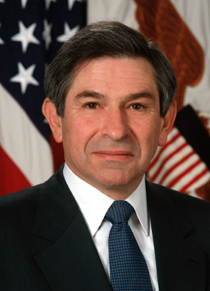 MEDIA ROOTS — The infamous neo-conservative, former World Bank boss and former Bilderberg group steering committee member, Paul Wolfowitz, also a ladies’ man (just ask Shaha Riza), is now a DJ, too, throwing down dance mixes exclusively for Media Roots. “Did you see the pictures?”
 In time he started experimenting with exotic instruments and tried weaving them into a traditional orchestra aesthetic. Two years before Delia Derbeishire made the legendary “synthesizer” (which really was tape splice cutups, not synthesizer) theme for Dr. Who, Goldsmith had incorporated a Hammond Novachord into his theme song for Voyage to the Bottom of the Sea (the last song in this mix).