 PSYCHOLOGY TODAY– A new book titled Do fish feel pain? by the renowned scientist, Victoria
Braitheaite, is a very important read for those interested in the general topic
of pain in animals, especially because it has been long assumed that fish are
not sentient beings and are not all that intelligent.
PSYCHOLOGY TODAY– A new book titled Do fish feel pain? by the renowned scientist, Victoria
Braitheaite, is a very important read for those interested in the general topic
of pain in animals, especially because it has been long assumed that fish are
not sentient beings and are not all that intelligent.
A few years ago I reviewed the literature about sentience in fish and other animals who live beneath the surface (see also) and it’s clear that a strong case can be made for protecting fish and other aquatic animals from harm. Professor Braithwaite’s book contains an incredible amount of recent scientific data that support this idea.
Many people will likely not take or have the time to read her book, so let me tell you what she says at the beginning of her chapter titled “Looking to the future.” She writes: “I have argued that there is as much evidence that fish feel pain and suffer as there is for birds and mammals — and more than there is for human neonates and preterm babies.” (page 153).
Professor Braithwaite then goes on to note that these data will require us to change the ways in which we interact with fish because we now know that they suffer and feel pain.
Continue reading about Fish Feel Pain, Science Tells Us.
© Psychology Today, 2010
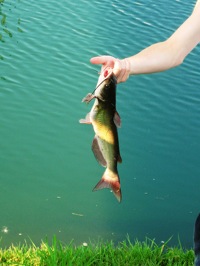
Photo by flickr user musiclver05
 ALTERNET